
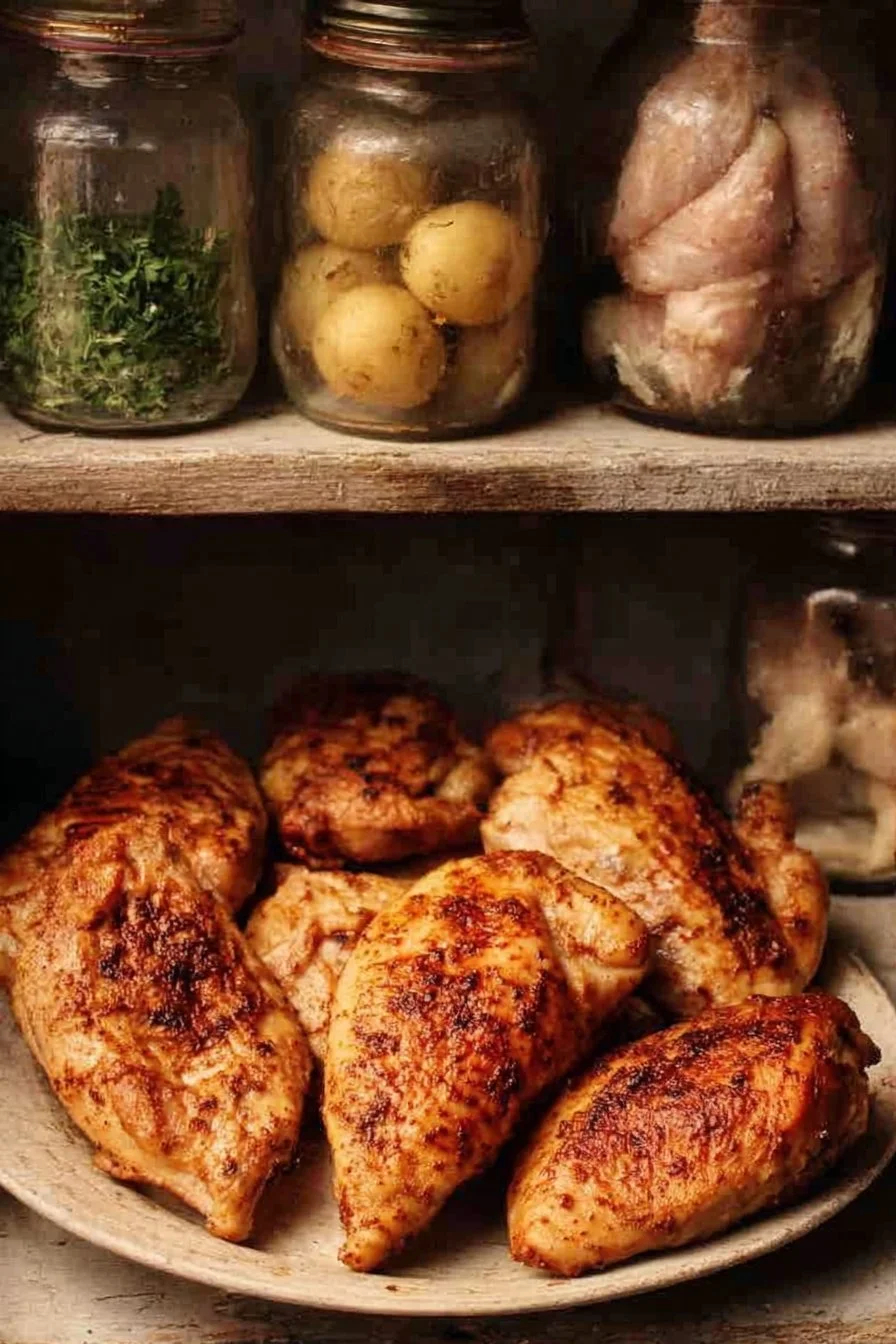
I’ve learned the hard way that safe chicken storage is the difference between a tasty weeknight meal and an upset stomach. This quick guide explains how to store fresh or cooked chicken, when to freeze it, and the simple reheating rules that keep food safe without wasting ingredients. If you like turning leftovers into fast dinners, check out this 30-minute chicken and dumplings biscuits recipe for inspiration on using stored chicken.
Why you’ll love this dish
Okay — it isn’t a dish, but knowing how to store chicken properly saves you money, reduces waste, and keeps your family safe. Proper storage makes meal prep flexible: you can cook once and feed the family several ways, or freeze portions for stress-free weeknights.
“I froze extra roasted chicken and used it in salads, tacos, and a casserole for weeks — still tasted fresh when I reheated properly.” — a reader tip that sums up why storage matters
This guide focuses on realistic, kitchen-tested steps you can use today to keep chicken tasting great and staying safe.
Step-by-step overview
Before we get into equipment and step-by-step instructions, here’s the simple workflow you’ll follow:
- Check the sell-by/use-by date at purchase.
- If you’re keeping raw chicken for short-term use, refrigerate and use within 1–2 days.
- Cooked leftovers should go into airtight containers and be eaten within 3–4 days.
- For long-term storage, wrap raw chicken tightly, place in a freezer-safe bag, label with the date, and freeze.
- Thaw only in the fridge (or safely in cold water or the microwave if cooking immediately).
- Always reheat cooked chicken to 165°F (75°C) before serving.
What you’ll need
- Fresh or cooked chicken (whole, pieces, or shredded)
- Airtight containers (plastic or glass)
- Plastic wrap or cling film
- Aluminum foil (heavy duty works best)
- Freezer-safe bags (zip-top or vacuum seal bags)
- Permanent marker for labeling
- Instant-read thermometer (for reheating checks)
Notes: Use glass containers for reheating in the oven or microwave-safe plastic labeled BPA-free. Vacuum sealing extends freezer quality but isn’t required.
Step-by-step instructions
- Inspect at purchase: Check the sell-by or use-by date and the package integrity. Avoid squishy or leaking packages.
- Short-term fridge storage (raw): Put uncooked chicken in its original packaging on a plate or in a shallow container on the bottom shelf of the fridge. Use within 1–2 days.
- Short-term fridge storage (cooked): Cool cooked chicken quickly—plate it and leave uncovered briefly to let steam escape, then transfer to an airtight container. Refrigerate and consume within 3–4 days.
- Freezing raw chicken: Wrap pieces individually in plastic wrap or foil, then place them in a freezer-safe bag. Squeeze out excess air and label with the date. Freeze flat if possible to save space.
- Thawing: Move frozen chicken to the refrigerator and thaw on a plate. Small pieces thaw overnight; larger items may need 24 hours or more. Never thaw at room temperature.
- Reheating: Bring cooked chicken to an internal temperature of 165°F (75°C) before eating. Use an instant-read thermometer in the thickest part to confirm.
Best ways to enjoy it
Stored chicken is incredibly versatile. Use shredded refrigerated or thawed chicken in tacos, salads, soups, and sandwiches. If you want a baked option, try pairing leftover chicken with Mediterranean flavors or make a quick casserole. For a more structured recipe using stored or fresh chicken as a base, see this balsamic baked chicken breast with mozzarella for a dinner that benefits from well-handled chicken.
Serving tips: reheat gently in a skillet with a splash of broth to keep meat moist, or pull cold, pre-cooked chicken into a salad with crisp greens and a bright vinaigrette.
Storage and reheating tips
- Refrigerator temp: Keep your fridge at or below 40°F (4°C). Store raw chicken on the lowest shelf to prevent drips contaminating other foods.
- Fridge shelf life: Raw chicken — 1–2 days. Cooked — 3–4 days.
- Freezer quality times: Raw chicken pieces — best quality up to 9 months; whole raw chicken — up to 1 year; cooked chicken — 2–6 months for best taste.
- Label everything: Write the freeze date on each package so you can use the oldest first.
- Thawing alternatives: If you need faster thawing, submerge sealed chicken in cold water (change water every 30 minutes) or use the microwave’s defrost setting — but cook immediately after either method.
- Reheating safety: Internal temperature must reach 165°F (75°C). Stir or rotate food for even heating when microwaving.
Pro chef tips
- Portion before freezing: Divide chicken into meal-sized portions before freezing so you only thaw what you need.
- Cool hot food quickly: Refrigerate cooked chicken within two hours; if ambient temp is above 90°F (32°C), reduce that to one hour.
- Use trays or baking sheets: Freeze pieces on a tray separated until firm, then transfer to bags to prevent clumping.
- Don’t wash raw chicken: This spreads bacteria. Pat dry if needed and handle with clean hands and surfaces.
- Keep a dedicated thermometer: A quick temp check beats guessing and prevents undercooked or overcooked meat.
Creative twists
- Shredded in sauce: Cook chicken, shred it, toss with tomato or BBQ sauce and freeze in portions for fast meals.
- Freeze in broth: For better texture after thawing, freeze chicken pieces submerged in broth or stock in freezer-safe containers.
- Vacuum sealed aromatics: Seal chicken with herbs or marinade for a flavor boost while frozen.
- Bone-in vs boneless: Bone-in stores slightly better for long freezes (better moisture retention); boneless is more flexible for quick meals.
- Dietary swaps: For low-sodium storage, avoid briny marinades before freezing; instead add seasoning when reheating.
Common questions
Q: Can I refreeze chicken that was thawed in the fridge?
A: Yes. If chicken was thawed in the refrigerator and has not been left out longer than 1–2 days, it can be refrozen safely. Quality may decline with each freeze-thaw cycle.
Q: How can I tell if chicken has gone bad?
A: Signs include a sour or ammonia-like smell, slimy texture, and discoloration. When in doubt, throw it out — smell and texture changes are strong indicators of spoilage.
Q: Is it safe to thaw chicken on the counter?
A: No. Thawing at room temperature allows bacteria to multiply rapidly. Thaw in the fridge, cold water (sealed), or the microwave and cook immediately.
Q: How long can I keep cooked chicken in the freezer?
A: For best quality, use cooked chicken within 2–6 months. It remains safe beyond that if kept continuously frozen, but flavor and texture decline over time.
Q: What’s the safest way to reheat leftovers so they don’t dry out?
A: Reheat gently with a splash of liquid in a covered skillet or oven at moderate temperature. Use an instant-read thermometer to ensure the center reaches 165°F (75°C).
Chicken Storage and Reheating Guide
- Total Time: 15 minutes
- Yield: N/A
- Diet: N/A
Description
Learn how to store, freeze, and reheat chicken safely to ensure delicious meals without waste or risk.
Ingredients
- Fresh or cooked chicken (whole, pieces, or shredded)
- Airtight containers (plastic or glass)
- Plastic wrap or cling film
- Aluminum foil (heavy duty)
- Freezer-safe bags (zip-top or vacuum seal)
- Permanent marker for labeling
- Instant-read thermometer
Instructions
- Inspect at purchase and check the sell-by/use-by date.
- For raw chicken, refrigerate and use within 1–2 days.
- Store cooked leftovers in airtight containers and consume within 3–4 days.
- For freezing, wrap raw chicken tightly in plastic wrap or foil, place in a freezer-safe bag, label, and freeze.
- Thaw chicken in the fridge, cold water, or microwave if cooking immediately.
- Reheat cooked chicken to an internal temperature of 165°F (75°C) before serving.
Notes
Use glass containers for reheating in the oven or microwave-safe plastic labeled BPA-free. Vacuum sealing extends freezer quality but isn’t required.
- Prep Time: 15 minutes
- Cook Time: 0 minutes
- Category: Guide
- Method: Storage and Reheating
- Cuisine: N/A