
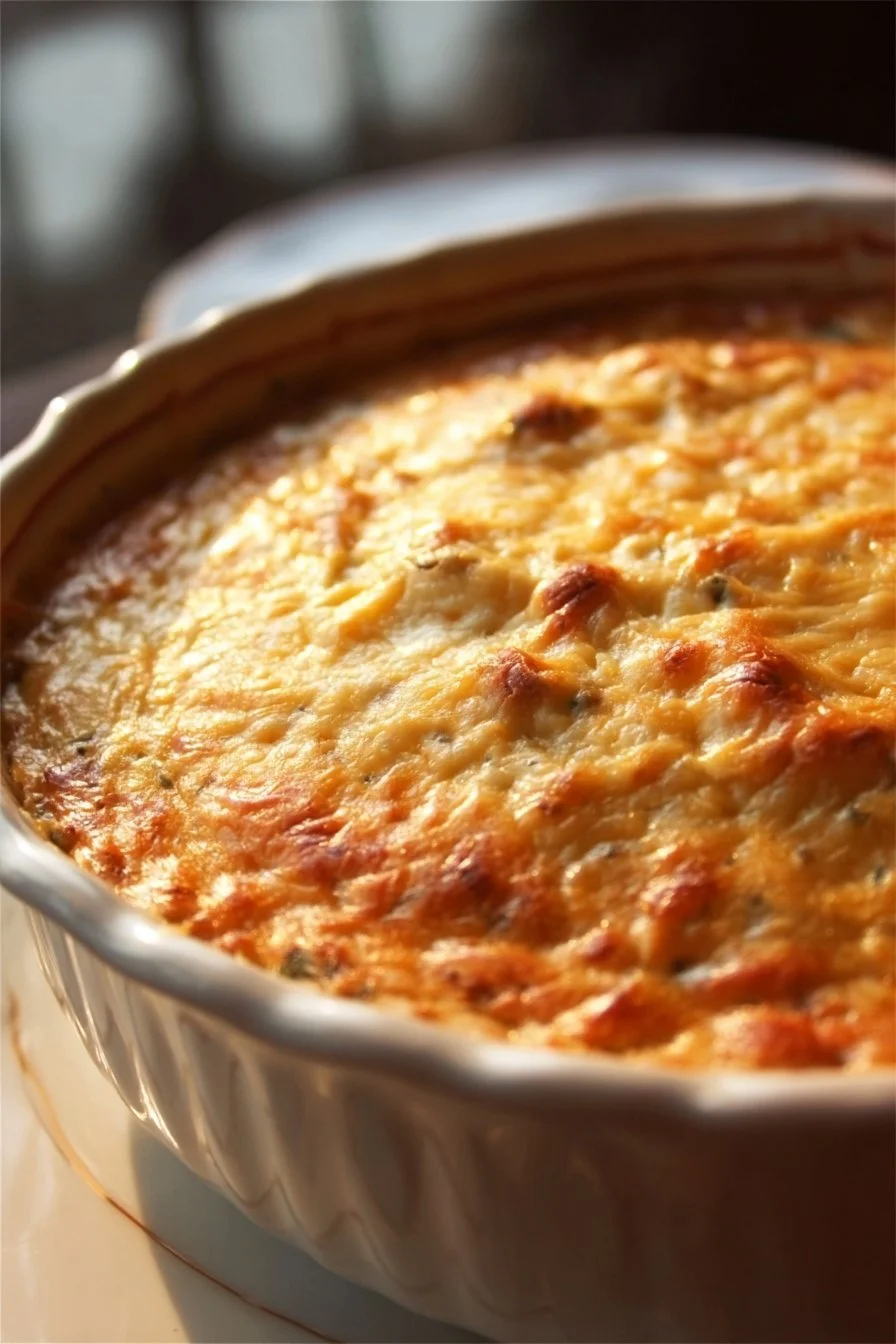
There’s something deeply satisfying about a bubbling, golden-topped Cheesy Casserole — creamy, comforting pasta wrapped in a rich cheese blanket with tender vegetables peeking through. The texture is a perfect balance: al dente pasta, soft sautéed veggies, silky cream, and a gooey cheesy top that browns to a beautiful crust. This recipe is wonderfully simple and forgiving, making it a go-to for weeknights, potlucks, or lazy Sunday dinners. If you like a little extra heat or a heartier twist, try a variation inspired by a spicy Southern cheesy chicken spaghetti casserole for a bold flavor boost.
Why You’ll Love This Cheesy Casserole
- Ultra-comforting: warm, creamy, and cheesy — everything you want in a comfort-food dish.
- Quick and easy: uses simple pantry staples and comes together fast with minimal hands-on time.
- Versatile: works with many types of pasta and whatever vegetables you have on hand.
- Family-friendly: mild, familiar flavors that kids and adults enjoy.
- Make-ahead friendly: you can prepare components ahead and bake when ready.
- Crowd-pleaser: great for potlucks, weeknight dinners, or cozy gatherings.
- Texture contrast: creamy interior with a golden, slightly crunchy breadcrumb topping (optional).
What Is Cheesy Casserole?
Cheesy Casserole is a baked pasta dish that combines cooked pasta with sautéed vegetables, a creamy sauce, and plenty of melted cheese. The flavor is rich and mellow, dominated by sharp cheddar notes and a gentle creamy tang from the cream. Cooking is done on the stovetop for the pasta and vegetables, then finished in the oven to melt the cheese and brown the top. It’s typically served as a main course for weeknight dinners, casual entertaining, or a comforting side at family meals. The overall vibe is simple, homey comfort food — familiar and satisfying without fuss.
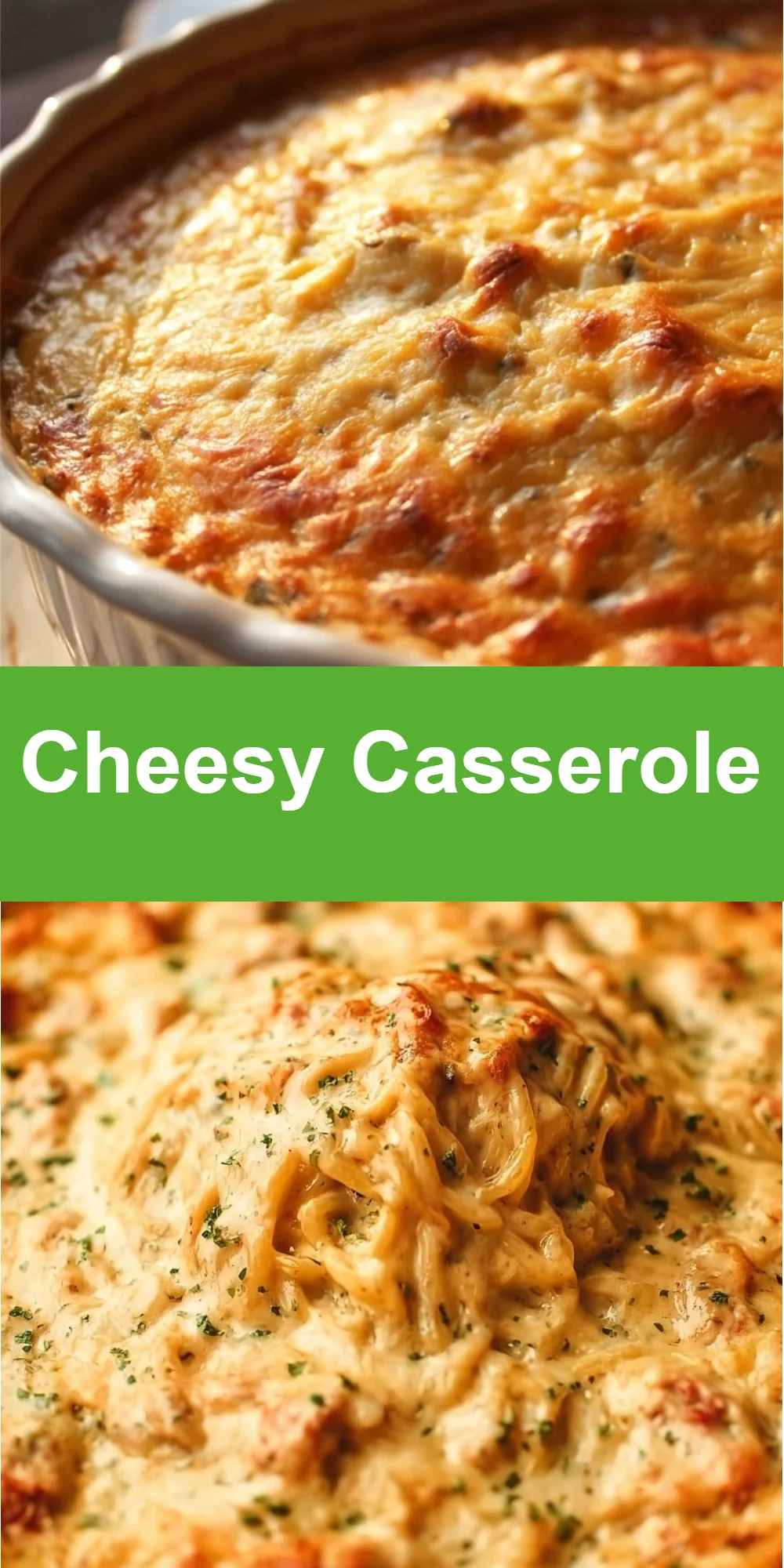
Ingredients for Cheesy Casserole
For the Base
- 2 cups of your favorite pasta (e.g., penne or fusilli)
For the Vegetables
- 1–2 cups of assorted vegetables (like broccoli florets or sliced bell peppers)
For the Sauce
- 1 cup of cream
- 2 cups of shredded cheese (cheddar works wonderfully)
- Seasonings: salt, pepper, and garlic powder
For Sautéing
- 2 tablespoons of butter or oil for sautéing
Optional Topping
- ½ cup of breadcrumbs for extra crunch
Ingredient Notes (Substitutions, Healthy Swaps)
- Dairy alternatives: swap the cream for a lower-fat option (light cream or half-and-half) for a lighter dish, or use a plant-based cream alternative to make it dairy-free. If using dairy-free cream, choose a brand that thickens when heated.
- Cheese swaps: cheddar is classic, but you can use Monterey Jack, Colby, or a mild Swiss for different melt and flavor profiles.
- Gluten-free option: use gluten-free pasta and gluten-free breadcrumbs to keep the dish gluten-free.
- Lower-fat swaps: reduce the cheese to 1.5 cups and substitute light cream to cut calories and fat; you’ll still get good creaminess.
- Budget substitutions: use frozen mixed vegetables instead of fresh — they’re economical and convenient.
- Vegetable variety: keep the recipe identity by sticking to non-starchy vegetables (broccoli, bell pepper, zucchini) rather than adding proteins that would change the dish.
Step-by-Step Instructions
Step 1 – Preheat and prepare
Preheat the oven to 350°F (175°C). Grease a medium casserole dish so the cheesy mixture won’t stick.
Visual cue: The oven should be fully preheated and the dish lightly oiled or buttered.
Step 2 – Cook the pasta
Cook the pasta according to package instructions until al dente, then drain and set aside. Do not overcook — it will finish cooking slightly in the oven.
Visual cue: Pasta should be tender but still firm to the bite, not mushy.
Pro cue: Slightly undercook by 1 minute compared to package time to avoid a soupy casserole.
Step 3 – Sauté the vegetables
In a large skillet, heat the butter or oil over medium heat and sauté the vegetables until they’re tender and vibrant, about 5–7 minutes depending on the veggies.
Visual cue: Vegetables should be bright in color and softened but not falling apart.
Pro cue: Season the vegetables lightly with salt and a pinch of garlic powder while sautéing to build flavor.
Step 4 – Combine pasta, veg, cream, and cheese
In a mixing bowl, combine the cooked pasta, sautéed vegetables, cream, and half of the shredded cheese, stirring until everything is well coated and evenly distributed.
Visual cue: The mixture should look glossy and evenly covered with creamy sauce and pockets of cheese.
Pro cue: Taste and adjust seasoning now — a little extra salt or pepper can make a big difference.
Step 5 – Assemble and top
Transfer the mixture into the greased casserole dish, spreading it evenly. Top with the remaining cheese and, if using, sprinkle breadcrumbs over the top for crunch.
Visual cue: A blanket of shredded cheese should cover the pasta mixture with an even breadcrumb layer if desired.
Pro cue: Press breadcrumbs gently into the cheese so they brown into the surface rather than fall off.
Step 6 – Bake until bubbly
Bake in the preheated oven for 25–30 minutes, or until the cheese is bubbly and golden on top.
Visual cue: Bubbles should appear around the edges and the top should be a light toasty brown.
Pro cue: If the top browns too quickly, tent loosely with foil and continue baking until the center is heated through.
Step 7 – Rest and serve
Allow it to cool for a few minutes before serving so the sauce can set and slices hold together.
Visual cue: The casserole will firm up slightly when rested, making it easier to scoop.
Pro cue: Let it rest 5–10 minutes for cleaner portions and better texture.
Pro Tips for Success
- Heat control: Sauté vegetables on medium to medium-high for color without burning; reduce heat if they start to brown too fast.
- Texture control: Don’t overcook the pasta — undercooking slightly prevents mushiness after baking.
- Cheese distribution: Reserve half the cheese for topping to get a molten interior and a bubbly, browned surface.
- Season in layers: Salt vegetables during sautéing and adjust seasoning after combining everything to avoid an underseasoned final dish.
- Breadcrumb crisp: For extra crunch, toss breadcrumbs with a teaspoon of melted butter before sprinkling on top.
- Even baking: Use a shallow casserole dish for even heat penetration; deeper dishes may need extra baking time.
- Avoid a watery casserole: Drain the pasta well and don’t add more cream than the recipe calls for.
Flavor Variations (OPTIONAL)
- Spicy version (OPTIONAL): Add 1/2 teaspoon of chili flakes or a pinch of cayenne to the cream mixture for gentle heat while keeping the base recipe intact.
- Veg-forward version (OPTIONAL): Double the vegetables to 2 cups and reduce pasta slightly for a lighter, veggie-heavy dish.
- Herb-infused version (OPTIONAL): Stir in 1–2 teaspoons of chopped fresh herbs (like parsley or chives) before baking for a fresh lift.
- Cheesy deluxe (OPTIONAL): Mix in a handful of a second cheese like mozzarella for extra meltiness while keeping the cheddar as the main cheese.
- Buffalo-inspired (OPTIONAL): For a tangy kick, incorporate a few tablespoons of buffalo sauce into the cream mixture — you can also look for ideas inspired by a cheesy crock-pot buffalo chicken dip to adapt flavors without changing the core ingredients.
- Crisp topping (OPTIONAL): Combine the optional breadcrumbs with grated cheese before sprinkling on top to form a cheesier crust.
Serving Suggestions
- Green side salad: Serve with a bright salad of mixed greens, lemon vinaigrette, and cherry tomatoes to cut through the richness.
- Roasted vegetables: Pair with extra roasted vegetables (carrots, asparagus) for a vegetable-forward meal.
- Garlic bread: Offer crusty garlic bread or toasted baguette slices to scoop up the creamy sauce.
- Family meals: Serve as the main dish for weeknight dinners alongside a simple slaw or steamed peas.
- Potlucks and gatherings: Cut into squares and serve family-style; the golden top makes an attractive presentation.
- Brunch twist: Add a side of fruit and hot sauce for a casual brunch buffet.
Make-Ahead, Storage & Reheating
- Make-ahead: You can prepare the pasta, sauté the vegetables, and mix everything together up to the point of adding the top cheese and breadcrumbs. Keep covered in the fridge for up to 24 hours and bake right before serving.
- Refrigerator storage: Store leftover baked casserole in an airtight container for 3–4 days.
- Reheating: Reheat individual portions in the microwave for 1–2 minutes until heated through, stirring halfway for even warmth. For best texture, reheat covered in a 350°F oven for 15–20 minutes until hot, uncovering for the last 5 minutes to refresh the crust.
- Texture changes: The sauce may thicken as it cools; add a splash of cream or milk when reheating if you prefer a looser texture.
Storage and Freezing Instructions
- Freezing assembled (uncooked): This casserole freezes well. Assemble in a freezer-safe dish, cover tightly with foil and plastic wrap, and freeze for up to 2 months. Bake from frozen at 350°F—remove plastic wrap and keep foil on for the first 30–40 minutes; then remove foil and bake until bubbly and golden, adding extra time as needed.
- Freezing baked leftovers: Baked portions freeze acceptably for up to 2 months. Thaw overnight in the refrigerator before reheating in the oven to retain texture.
- If not freezing: If you prefer not to freeze, store assembled but unbaked in the refrigerator for up to 24 hours and bake when ready.
- Note: Breadcrumbs may lose crispness after freezing and reheating; re-crisp under the broiler briefly if needed.
Nutrition Facts (Per Serving)
| Calories | Protein | Carbs | Fat | Fiber | Sodium |
|———|——–|——|—–|——|——-|
| 420 kcal | 20 g | 36 g | 26 g | 3 g | 560 mg |
Nutrition values are estimates and may vary depending on ingredients and portion sizes.
FAQ About Cheesy Casserole
Q: My casserole turned out watery — how can I fix that?
A: Ensure pasta is well drained and slightly undercooked to avoid excess water. If using very watery vegetables (like zucchini), sauté longer to release and evaporate moisture before combining.
Q: Can I use milk instead of cream?
A: You can use light cream or half-and-half for a lighter texture; milk will thin the sauce and may produce a less rich result. If using milk, consider a small cornstarch slurry (1 tsp cornstarch + 1 tbsp cold water) to help thicken.
Q: How do I know the casserole is done?
A: It’s done when the cheese is melted and bubbly and the top is lightly golden. Insert a knife into the center — it should come out hot to the touch.
Q: Can I add protein like chicken or tofu?
A: This base recipe doesn’t call for extra proteins, but you may add cooked chicken or seared tofu as an optional addition — just ensure they’re fully cooked and drained of excess moisture before mixing in.
Q: What’s the best way to reheat leftovers without drying them out?
A: Reheat covered in a 350°F oven for 15–20 minutes, adding a splash of cream or milk if needed. Uncover for the last 5 minutes to refresh the crust.
Q: Will freezing change the texture of the pasta?
A: Freezing can alter pasta texture slightly, making it softer. Freeze the assembled but unbaked casserole to minimize texture change, and avoid overcooking when baking from frozen.
Notes
- Plating idea: Spoon into shallow bowls and add a sprinkle of fresh herbs (parsley or chives) for color contrast.
- Small flavor upgrade: Stir a quarter teaspoon of smoked paprika into the cream for a subtle, smoky depth.
- Seasoning adjustment: Taste before baking — cheese can be salty, so adjust extra salt conservatively.
- Presentation tip: For neat squares, let the casserole rest 10 minutes before cutting and use a wide spatula to lift pieces.
- Breadcrumb tip: If you want a golden crust but don’t have breadcrumbs, try crushed crackers or a thin layer of extra shredded cheese.
- Leftover jazz: Mix reheated leftovers with a handful of fresh baby spinach — it wilts quickly and freshens the dish.

Cheesy Casserole
- Total Time: 45 minutes
- Yield: 4 servings
- Diet: Vegetarian
Description
A comforting baked pasta dish enveloped in a rich cheese sauce, combined with sautéed vegetables for a homey, satisfying meal.
Ingredients
- 2 cups of your favorite pasta (e.g., penne or fusilli)
- 1–2 cups of assorted vegetables (like broccoli florets or sliced bell peppers)
- 1 cup of cream
- 2 cups of shredded cheese (cheddar works wonderfully)
- Seasonings: salt, pepper, and garlic powder
- 2 tablespoons of butter or oil for sautéing
- ½ cup of breadcrumbs for extra crunch (optional)
Instructions
- Preheat the oven to 350°F (175°C). Grease a medium casserole dish.
- Cook the pasta according to package instructions until al dente, then drain and set aside.
- Sauté the vegetables in a large skillet over medium heat until tender, about 5–7 minutes.
- Combine the cooked pasta, sautéed vegetables, cream, and half of the shredded cheese, stirring until well coated.
- Transfer the mixture to the greased casserole dish, topping with remaining cheese and breadcrumbs if using.
- Bake for 25–30 minutes until bubbly and golden on top.
- Allow to cool for a few minutes before serving.
Notes
For a lighter dish, substitute cream with lower-fat alternatives or use plant-based cream to make it dairy-free. This casserole is great for potlucks and can be prepared ahead of time.
- Prep Time: 15 minutes
- Cook Time: 30 minutes
- Category: Main Course
- Method: Baking
- Cuisine: American